

How to Wear a Waistcoat with a Suit: The Complete Guide
The waistcoat is one of menswear’s most versatile and underused garments. It adds formality, structure and personality to a suit in a way that no other piece can, transforming a two-piece into something altogether more considered and complete. Whether worn as the defining centrepiece of a three-piece suit or introduced as a standalone layer to add depth to a simpler outfit, getting it right is well worth the effort.
What is a waistcoat?
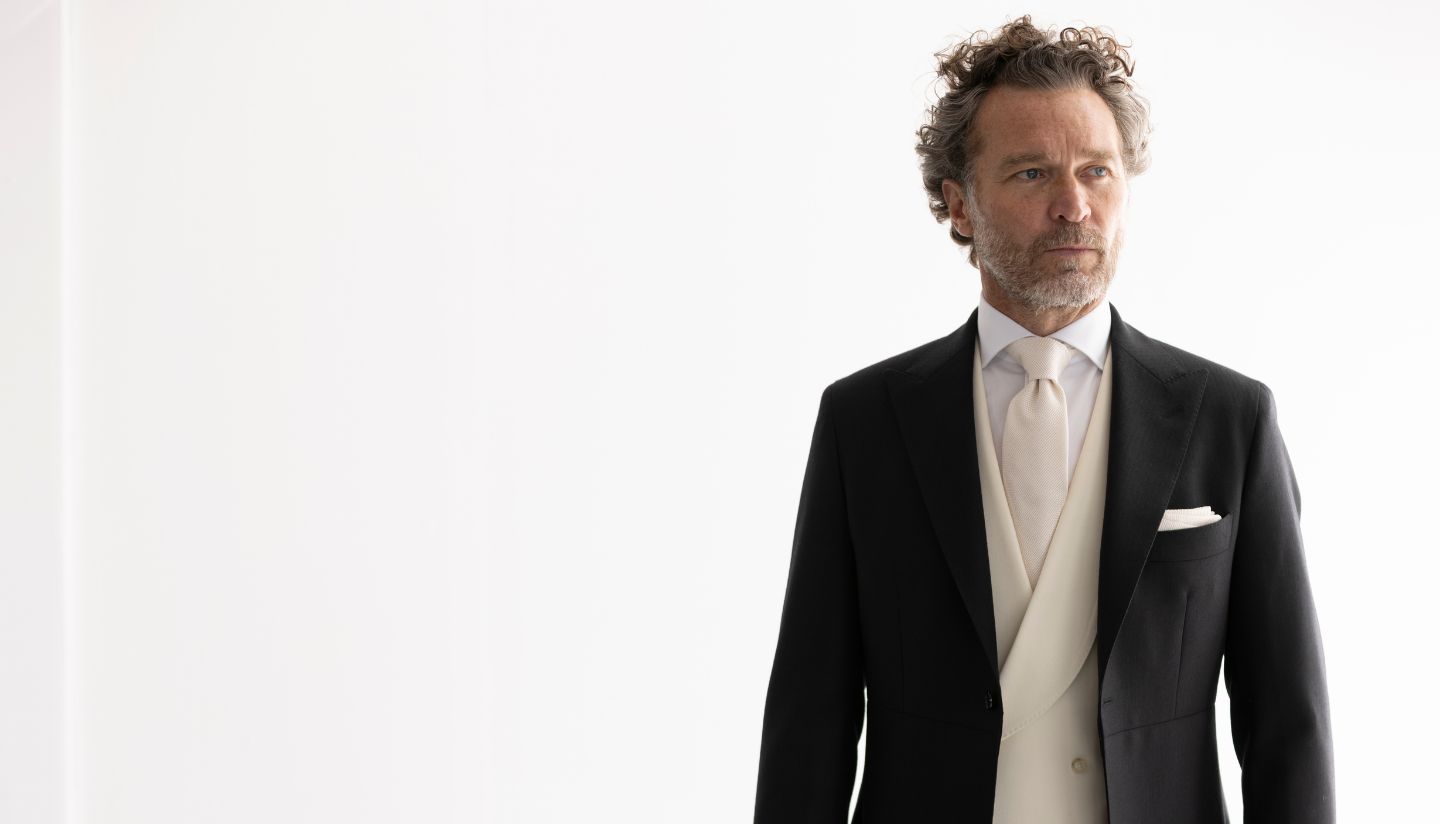
A waistcoat is a sleeveless, close-fitting garment worn over a shirt and under a jacket, traditionally as part of a three-piece suit. Understanding how to wear one well starts with knowing which style suits the occasion.
Single-breasted vs double-breasted
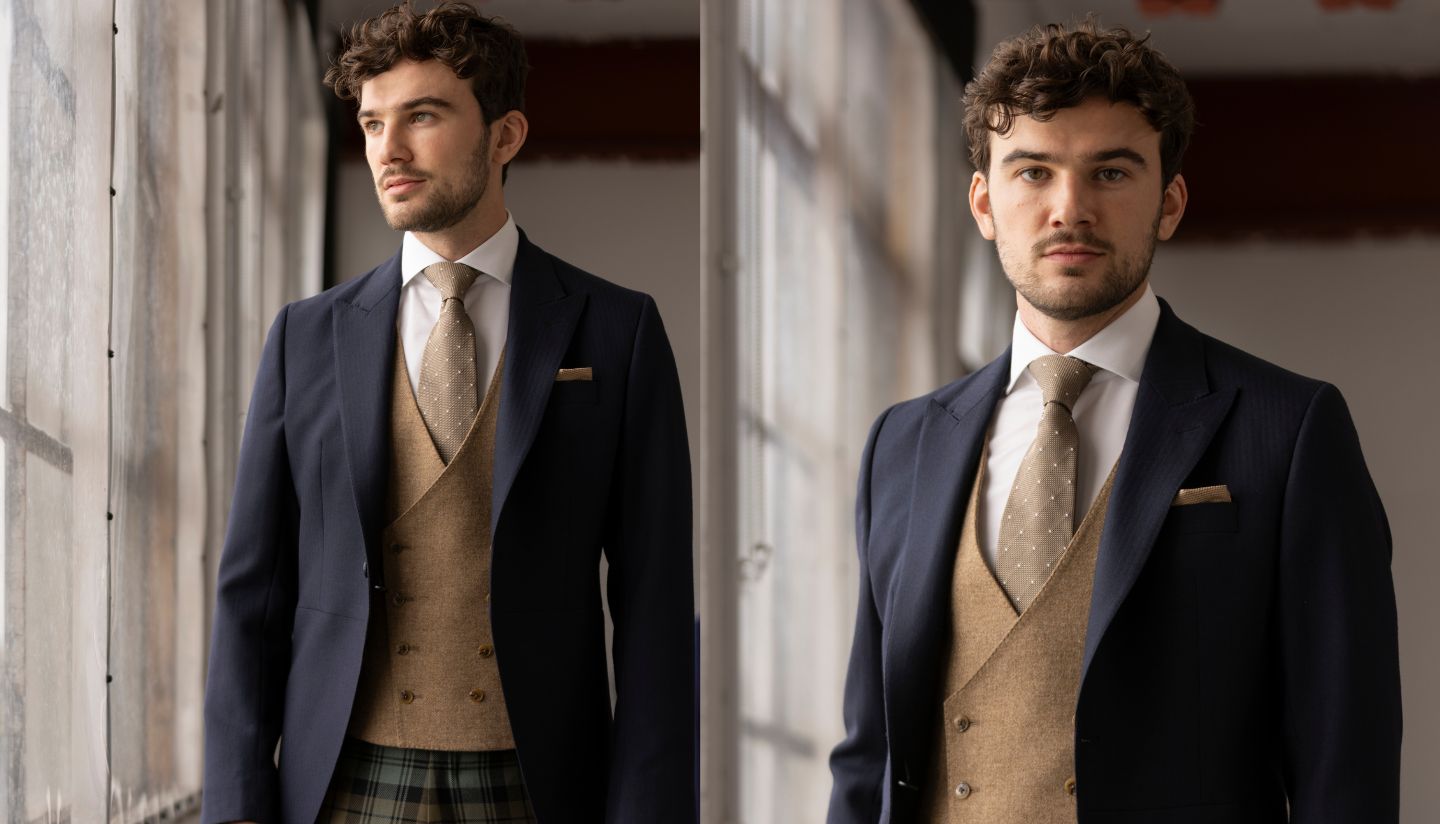
A single-breasted waistcoat is the most common style, typically featuring five or six buttons arranged in a single row down the front. It is versatile enough to work across a wide range of occasions, from the office to a wedding, and pairs well with almost any suit. More formal and more structured, a double-breasted waistcoat is particularly effective for making a deliberate impression at ceremonial or evening occasions.
Matching vs contrasting waistcoat
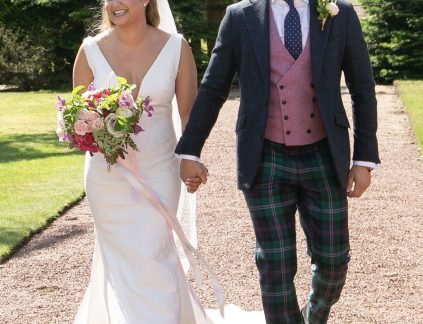
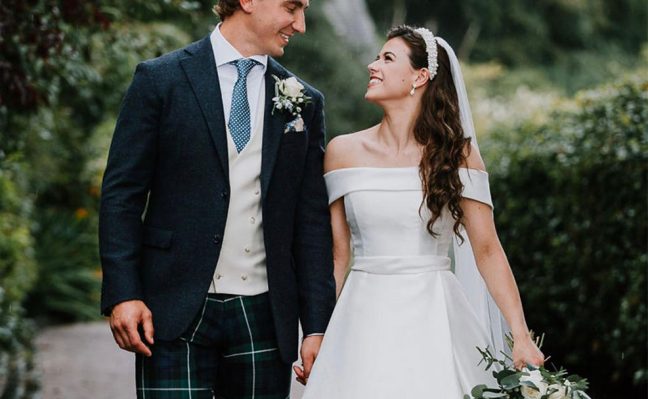
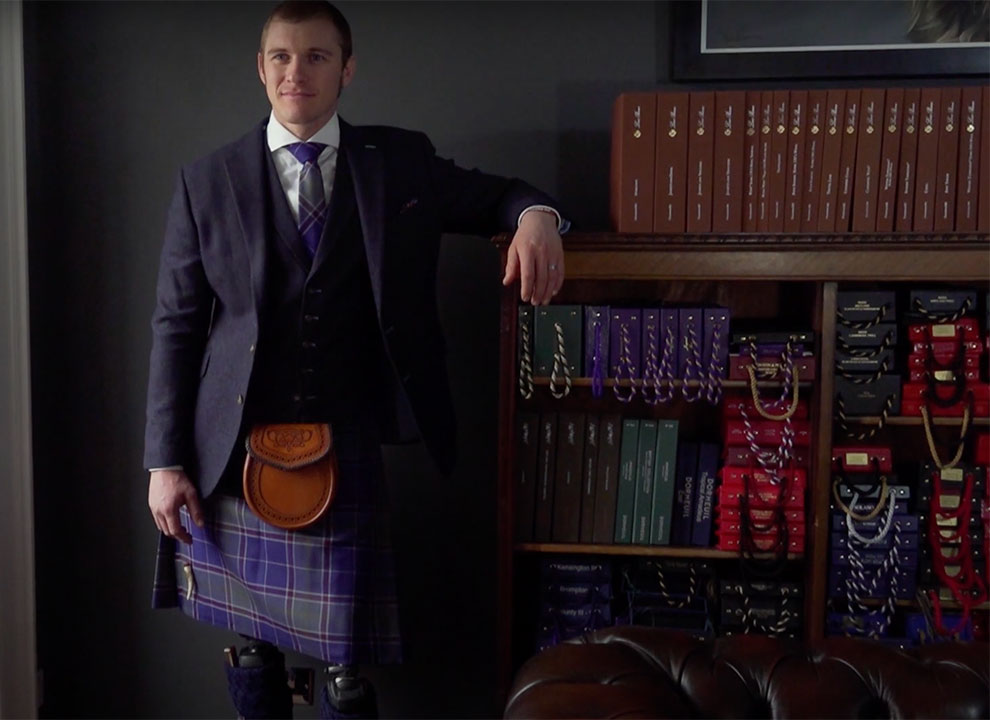
A matching waistcoat, cut from the same cloth as the jacket and trousers, is the foundation of the classic three-piece suit. It creates a clean, unified silhouette that reads as polished and intentional. A contrasting waistcoat introduces a different colour, fabric or texture into the outfit, adding personality and creative flair. This is where bespoke tailoring truly comes into its own, since the success of a contrasting combination depends on how well each piece fits individually.
How should a waistcoat fit?
Chest and shoulders
A well-fitted waistcoat lies smooth against the chest, with no pulling or gaping across the button line. The shoulder seams should rest cleanly in place and remain flat as you move. Any lifting or shifting across the shoulders is a clear sign the waistcoat is too narrow across the chest.
Body length
The waistcoat should cover the waistband of the trousers fully when standing, with little to no shirt visible when seated. A waistcoat that rides up noticeably when you sit down is one of the most common fit issues and is almost always a question of body length.
The back strap
Most waistcoats feature a cinch strap at the back, used to adjust the fit so that the garment skims the body cleanly. It should not be pulled so tight that the back fabric creases horizontally, nor so loose that the waistcoat billows away from the torso. Used correctly, the back strap is what gives a well-fitting waistcoat its clean, tailored line.
Waistcoat button rules
Single-breasted: leave the bottom button undone
The bottom button of a single-breasted waistcoat is always left undone, whether sitting or standing. This follows the same logic as the suit jacket button rule. It allows the garment to drape naturally, move with the body and sit without strain across the hips.
Double-breasted: all buttons fastened
Unlike its single-breasted counterpart, a double-breasted waistcoat should have all buttons fastened at all times. The design and structure of a double-breasted front depends on the full button arrangement to look correct. Undoing the bottom button disrupts the balance of the garment.
Wearing a matching waistcoat as part of a three-piece suit
Business and office
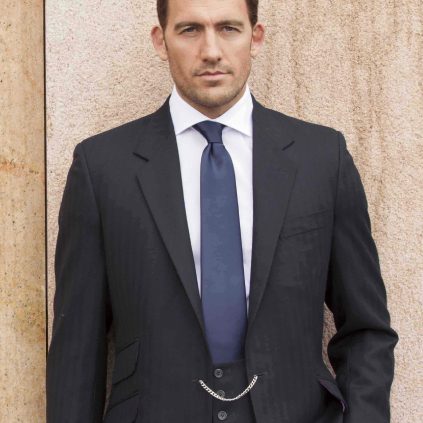
For the office, a three-piece in navy, charcoal or mid-grey worn with a white or pale blue shirt is one of the most authoritative looks for a professional wardrobe. The waistcoat adds a layer of polish and intentionality that a two-piece simply cannot replicate, without crossing into formal event territory.
Weddings and formal events
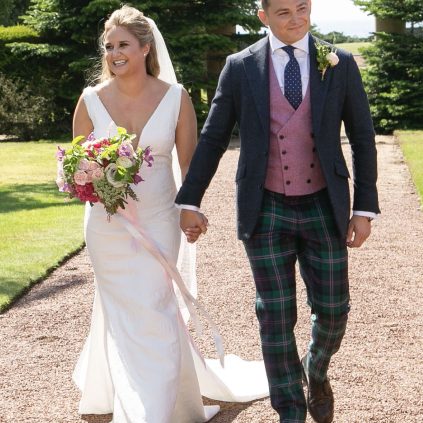
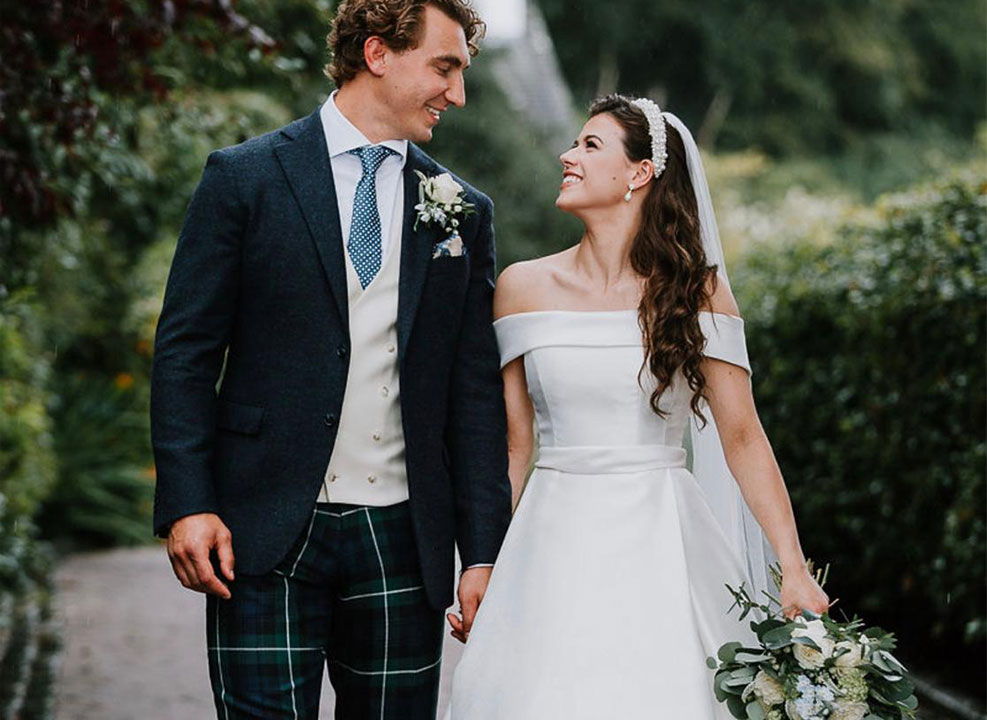
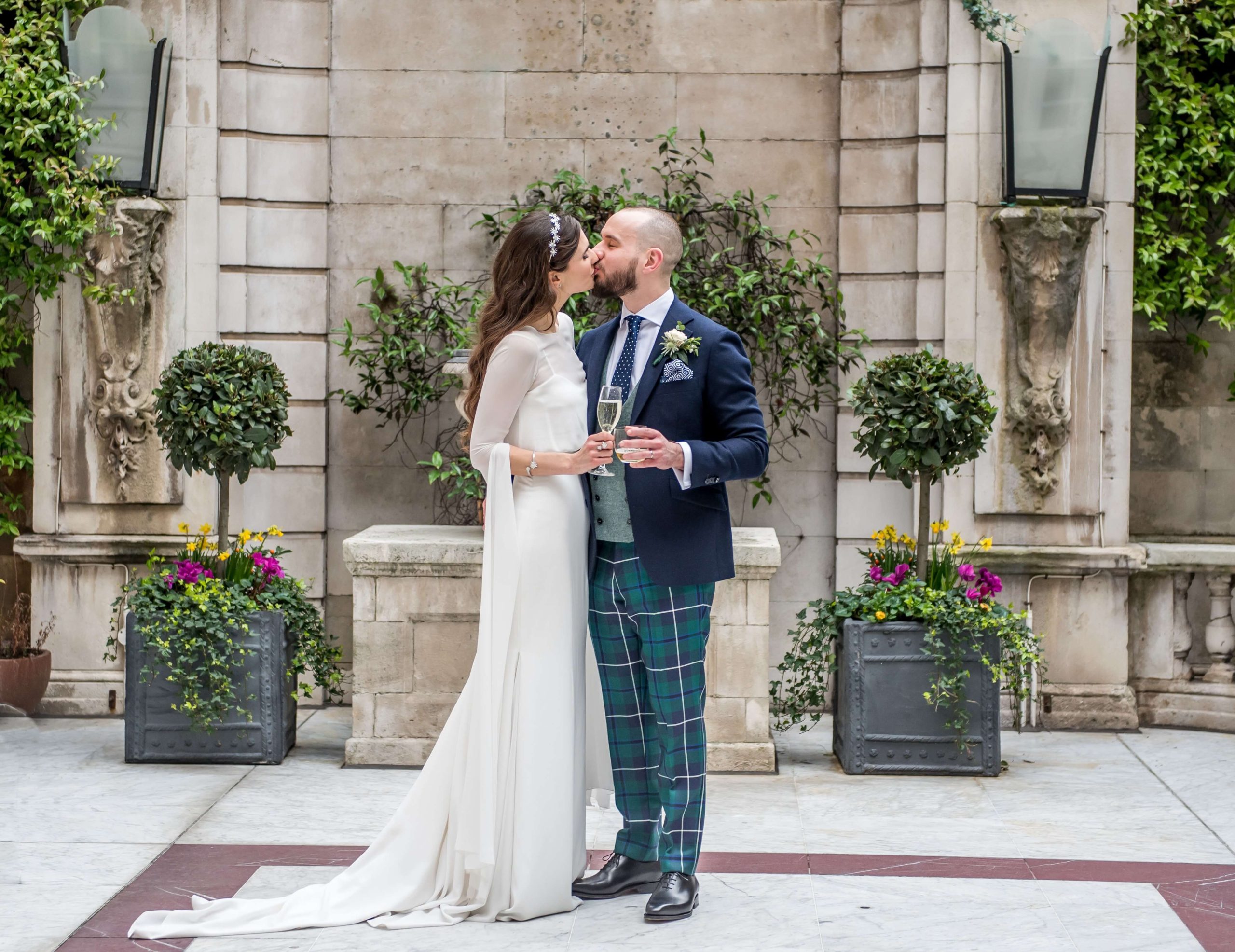
Three-piece suits are consistently among the most popular choices for grooms and wedding guests alike. For daytime ceremonies, lighter tones work particularly well. Stone, champagne and pale grey all photograph beautifully and feel appropriately celebratory. Our bespoke wedding suits are crafted for these exact occasions.
Black tie
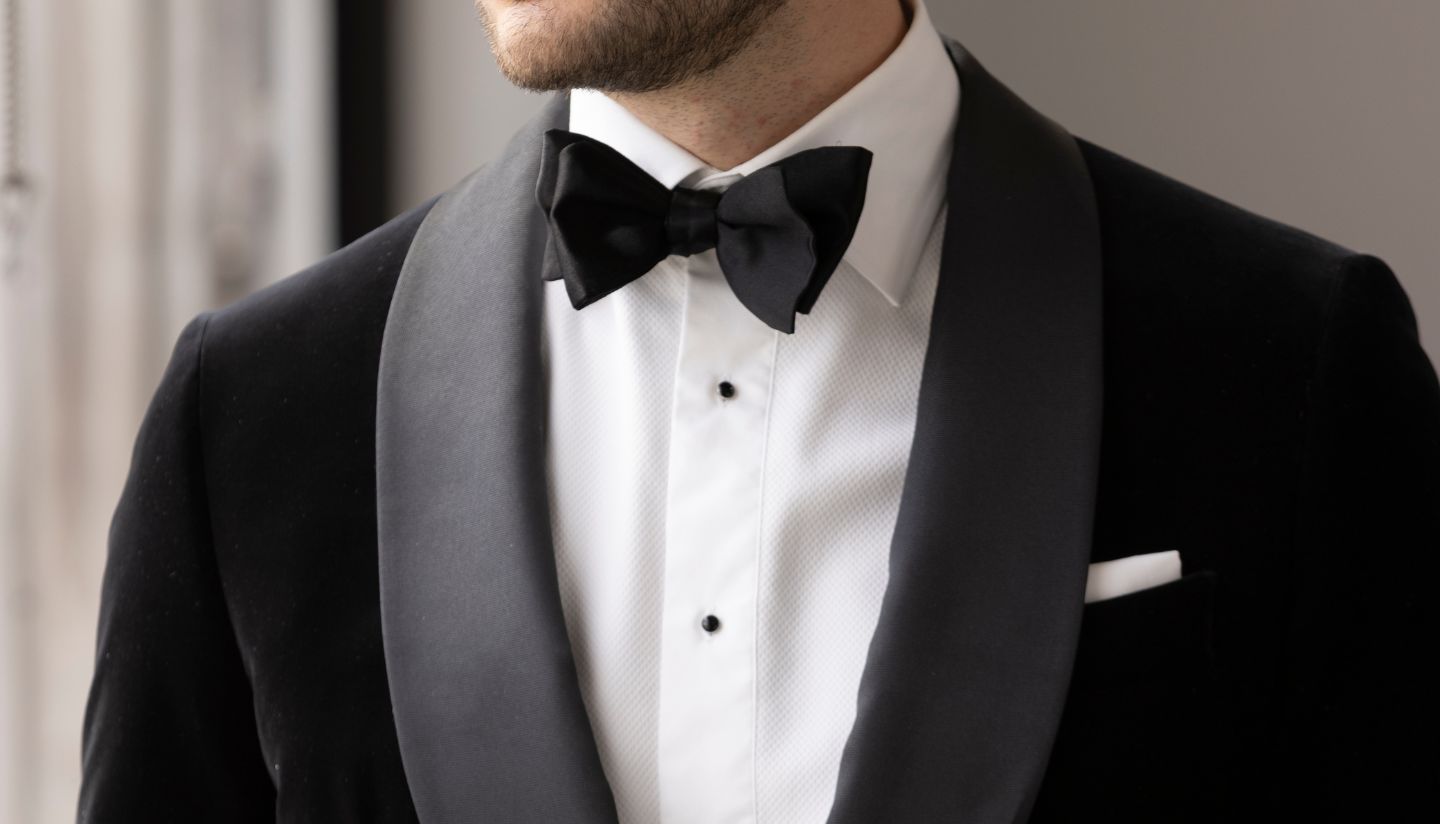
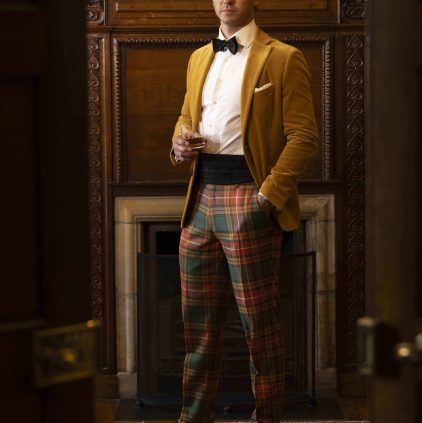
A waistcoat can substitute for a cummerbund when worn with a dinner suit, offering a cleaner and more structured option for those who prefer it. For black tie, the cut matters as much as the colour: an evening waistcoat sits lower than its daywear equivalent, designed to frame the formal shirt rather than cover it. Stick to black or midnight blue and save contrast and texture mixing for less formal occasions.
The contrasting waistcoat: how to mix and match
Choosing complementary colours
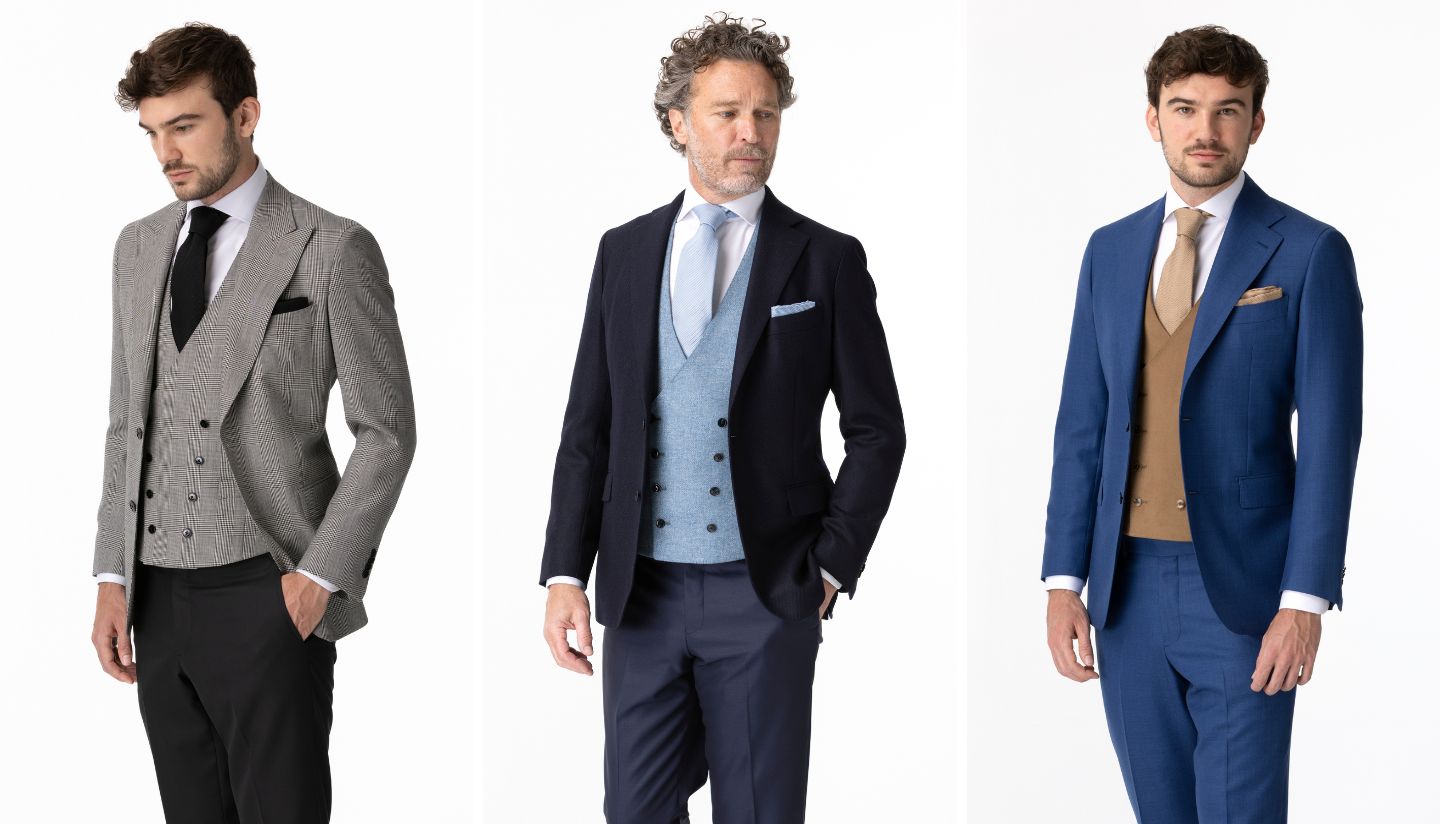
Neutral suits in grey, navy or camel offer the most room to introduce a contrasting waistcoat without the combination feeling forced. A charcoal suit with a burgundy waistcoat, a navy suit with a cream or camel waistcoat, or a mid-grey suit paired with a deep forest green all work because the tones complement rather than compete with each other.
Mixing textures and fabrics
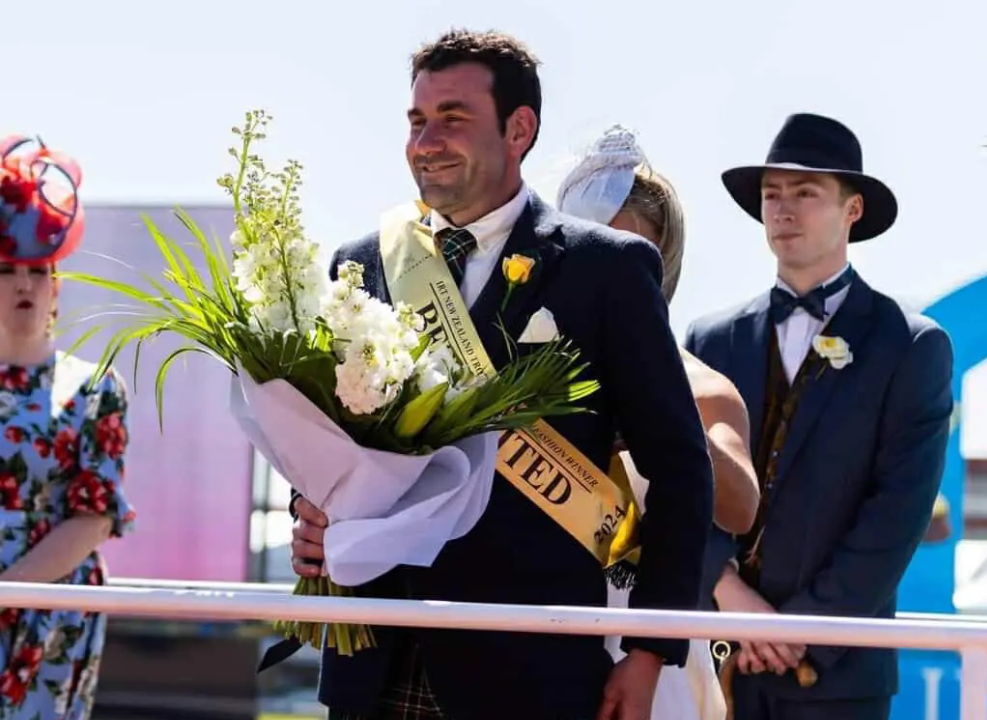
Tweed, herringbone and check waistcoats add real depth and character to a plain suit, and are particularly effective in Scottish and country settings where texture is part of the visual language. As a starting point, let the waistcoat or the suit carry the pattern, rarely both. That said, confident mixing of complementary scales and textures can work beautifully when the balance is right. Precise fit becomes especially important when combining contrasting pieces: the more considered the combination, the more the tailoring has to do.
Common waistcoat mistakes to avoid
- Waistcoat too long: if it covers the trouser fly, it risks looking untidy and unbalanced
- Fastening the bottom button on a single-breasted waistcoat
- Wearing a chunky knit underneath, creating bulk that pushes the jacket out of shape
- Shirt coming untucked between the waistcoat and trousers
- Mismatched formality, such as pairing a tweed waistcoat with a black-tie dinner suit
- Off-the-rack waistcoat with an incorrect body length
Why a bespoke waistcoat fits differently
A waistcoat rewards precision more than almost any other garment. Body length, chest fit and back suppression all need to work in harmony, and getting that right requires starting from the individual rather than from a standardised block.
A made-to-measure waistcoat is cut specifically to your torso length, chest measurement and posture. It sits where it should, moves as it should and holds its line throughout the day, whether you are standing, sitting or moving. Worn as part of a three-piece suit, a bespoke waistcoat takes an outfit from well dressed to genuinely distinguished. To explore our bespoke tailored suits or to discuss a waistcoat commission, contact us at +44(0)131 225 3659 or mel@andrew-brookes.com.