




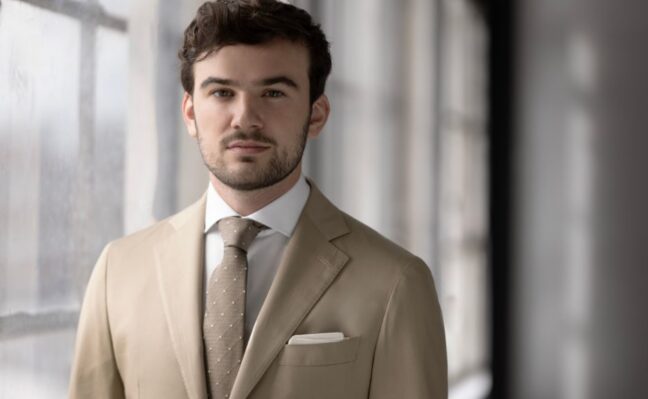

What to Wear to the Theatre: A Guide for Men
Most theatres and concert halls do not enforce a dress code. With no rule to follow, it helps to know what each type of performance calls for.
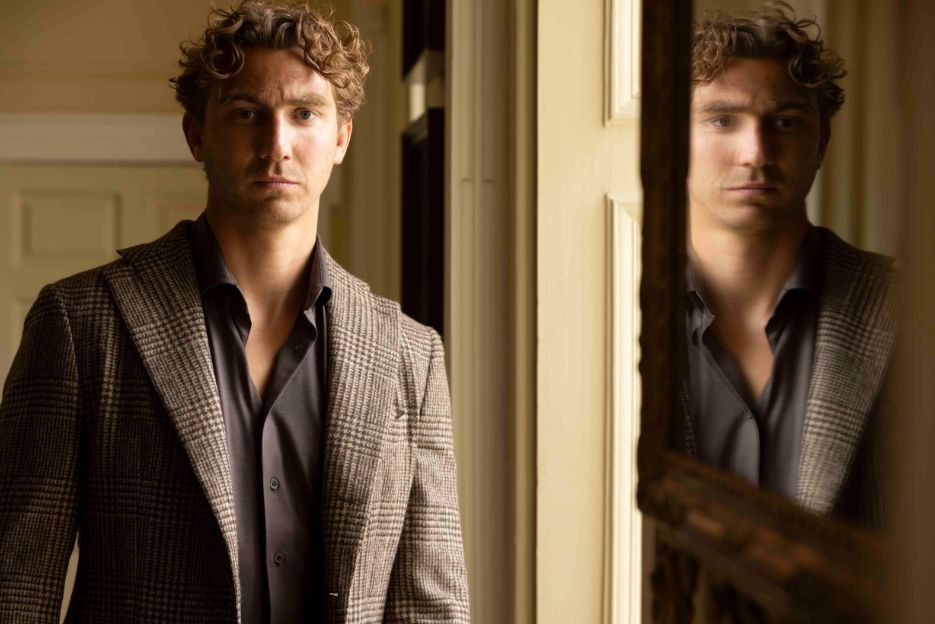
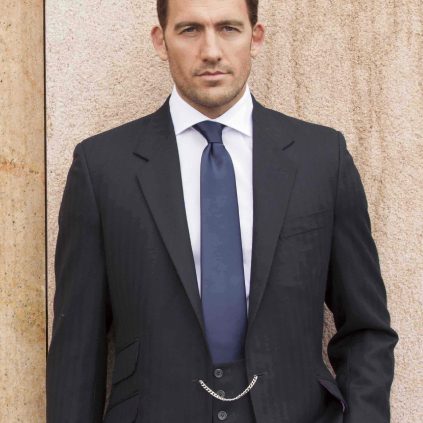
A well-cut suit is the most dependable choice for any performance. Our bespoke tailored suits are built to your measurements, and the cloth and cut can be chosen with the evening in mind.
Theatre dress code by performance
The theatre and musicals
In Edinburgh, venues including the King’s Theatre and the Playhouse set no dress code, and you will see everything from jeans to evening wear on any given night. Theatre attire for men is a matter of judgement rather than following a clear set of rules.
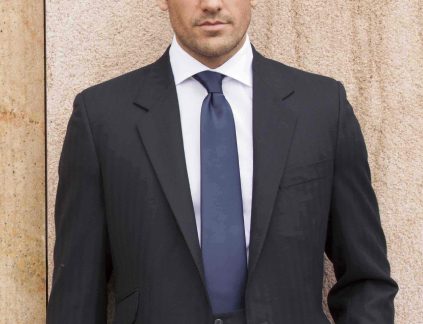
A play tends to draw a considered crowd, and a navy or charcoal suit with a plain shirt fits the mood. A medium-weight worsted in a muted cloth is ideal.
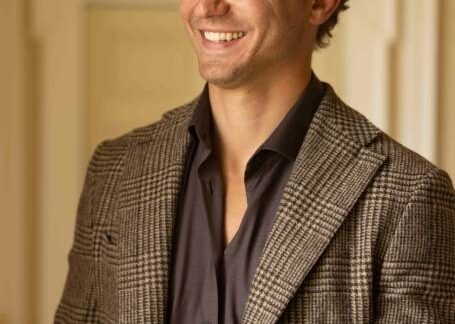
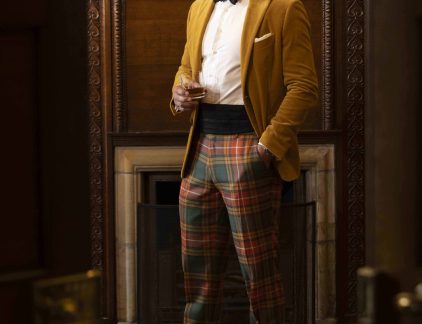
When deciding what to wear to a musical, you can afford to be more relaxed: a textured cloth or a touch of colour suits a large house like the Playhouse well.
An afternoon performance suits a lighter cloth and a softer colour, such as mid grey, soft blue or a subtle check. Matinees are often followed by an early dinner, so a suit that looks right in daylight and across a table is the best choice.
The ballet
Ballet audiences tend to dress with a sense of occasion. What to wear to the ballet is straightforward: a suit is the right call, and the ballet dress code, while unwritten, leans smart.
In Edinburgh, Scottish Ballet performs at the Festival Theatre. The venue sets no rules on dress, but a suit is the natural choice. Dark grey or navy, a white or pale blue shirt and polished leather shoes suit the room.
A tie suits the occasion and adds a considered note to the outfit.
Opera and classical concerts
A dark suit, a crisp shirt and polished shoes suit both opera and a classical concert. At the Usher Hall, opera and classical concerts tend to bring out a smarter choice of dress. What to wear to a classical concert follows the same logic as the opera dress code: a composed suit in a darker cloth with a plain shirt.
Opening nights and galas can specify more formal dress, so check your booking confirmation or the event website for the evening.
For a Fringe or comedy show, see our blog on smart casual dress for men.
The suit for a night at the theatre
Seated for two or three hours
At the theatre you sit for two or three hours, often in a fixed seat with little room to move. A suit behaves differently seated than standing, and how the jacket and trousers settle decides whether you feel at ease in what you’re wearing or keep adjusting it.
Start with the collar. If it lifts away or rolls up behind the shirt collar when you lean back, you will likely notice it within the first half hour. On a jacket that fits, it stays against the back of the neck.
Unbutton the jacket before you sit and the front should fall cleanly across your lap without bunching or pulling at the stomach. A jacket with good balance lies flat, keeps its shape and stays smooth at the waist. Empty the pockets before you sit, since a phone and keys can pull the front out of line.
Shoulders and sleeves come into play once you are seated. With your arms on the armrests, a well-cut sleeve keeps its line and lets a little shirt cuff show. A jacket that fits across the back moves with you when you lean forward to see the stage.
Trousers cut with enough room in the seat and thigh settle cleanly over the knee and stay comfortable at the waistband through a long evening.
A warm auditorium and a long sitting reward a worsted with some spring in the yarn, which recovers well at the knee and across the lap. The suit should look as composed at the interval as it did on arrival. A tailor crafting a suit to measure plans for this when choosing the cloth and refines the cut as the suit takes shape.
Some venues, such as the Festival Theatre, offer a cloakroom, but not all do, so a coat that sits well over a suit is essential. Our post on wearing a coat over a suit explains how to choose one.
Shirt, shoes and finishing
Choose shoes that are comfortable and polished. A visit to the theatre involves stairs, crowded foyers and often a walk over uneven pavements. A leather sole and sound construction cope with all of it. Colour and style are covered in our article on matching shoes with suits.
For finishing, pick one considered detail. A silk pocket square or a pair of good cufflinks completes the look without competing with it.
Conclusion
Even without a dress code, the performance sets a tone. A play or musical asks for a composed suit in a medium or dark cloth. A matinee suits a lighter cloth, the ballet a slightly smarter look and opera or a classical concert a polished, understated choice.
A collar that stays put, a jacket that falls cleanly, trousers that settle: a well-cut suit holds its own from the first act to the last.
To talk through a suit for the theatre, call +44(0)131 210 0314 or email mel@andrew-brookes.com.